
Nonverbal Expression of Pride Recognized Cross-Culturally
Christopher Philip
 As the science on nonverbal communication grows, we are beginning to see evidence of its overall significance. More to this, we are seeing that nonverbal expression has cross-cultural applications. This may not seem important, however, by demonstrating that specific postures, and gestures have meaning across boarders, it shows that body language in people share a common and universal origin.
Important research by Jessica Tracy University of British Columbia and Richard Robins,
University of California, Davis conducted in 2008 found evidence that the nonverbal expression of pride is cross-culturally recognized.
The prototypical expression of pride includes a small smile, head titled slightly back (about 20 degrees) and expanded posture such as arms akimbo with hands on hips.
Over the course of four studies, the researchers tested the ability of various populations to correctly discern the nonverbal pride expression. In the study populations were looked at from Italy, United States, an isolated tribe in Brukina Faso, West Africa as well as male and female targets from African, Asian and Caucasians descent. Importantly, the postures were correctly recognized despite being depicted by African or American targets.
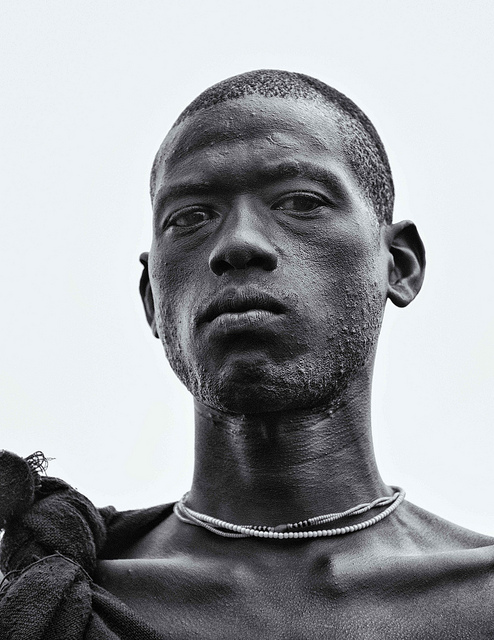 As well, the Burkinabe participants were unlikely to have specifically learned the pride expression through cross-cultural transmission. This suggests that the postures and their recognition have arisen spontaneously, or have persisted through history.
The results are not all that surprising given that facial expressions including anger, disgust, fear, happiness, sadness and surprise also show universal recognition.
As the authors suggest “Pride, in particular, is likely to play a functional role in the maintenance and enhancement of social status, an essential component of a social animal’s fitness. Individuals experience pride after a socially valued achievement, and these feelings may alert them that their behavior (or self) is valued by others and that they are thus unlikely to be rejected by the group and may deserve increased status.”
This provides reason for the persistence of the expression. By displaying it, one reaps benefits as pride proves social value, and others benefit by recognizing it as they begin to understand whom is most successful and worthy of paying attention to, whom to accept as leader, and ultimately, whom is deserving of status.
The important finding in the research is that the expression of pride is not simply a posture invented in one culture, but rather expressed in various cultures around the world.
These postures also seem to be the case for other emotions including shame, happiness, disgust and surprise.
In the future, I would expect to see other studies from various cultures showing similar evidence for other universal bodily expressions.
Image Credit: Quinn Dombrowski
Image Credit: Rod Waddington
Resources
Tracy, Jessica L. and Richard W. Robins. The Nonverbal Expression of Pride: Evidence for Cross-Cultural Recognition. Journal of Personality and Social Psychology. 2008. 94(3): 516–530. DOI: 10.1037/0022-3514.94.3.516