
Bitchy Resting Face Explained By Science
Christopher Philip
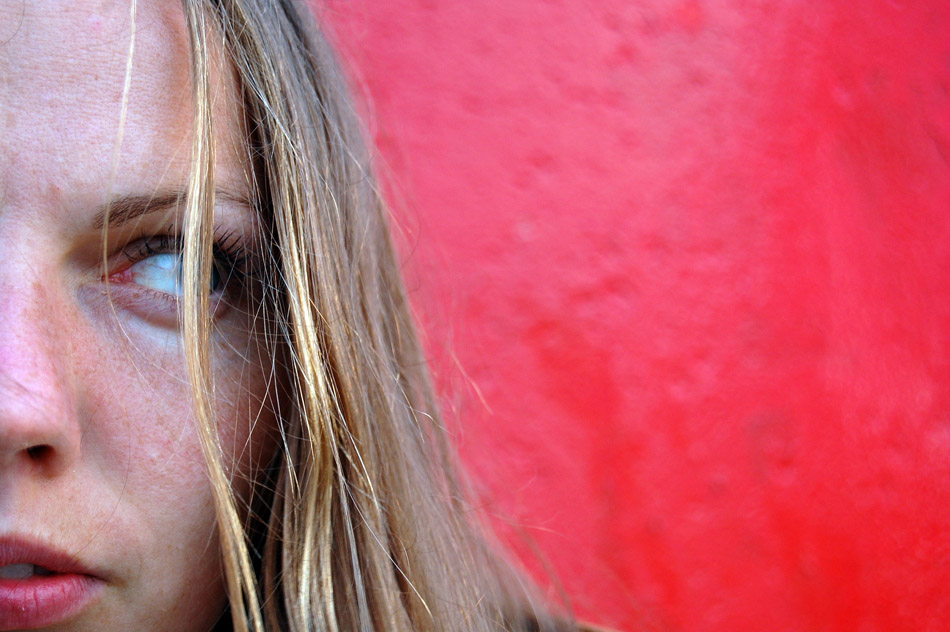 Got a bitchy resting face? Too bad, there’s nothing you can do about your face is read by others.
According to researcher Christopher Olivola and colleagues it is true that we are born with inherent biases and these biases work so quickly that often a face is all that is needed for us to snap to judgment.
Though we shouldn’t judge a book by its cover, we simply can not help ourselves and this is a problem, say the researchers.
Once we make up our mind based on someone’s face, we may end up ignoring other more useful information.
In their research, Olivola and his team found that we often judge people for traits including trustworthiness, competence, and extroversion based solely on facial features.
So when we see a soft feminine face, we see this person as baby-like, docile, friendly and trustworthy. A masculine face, on the other hand, are likely to be viewed as competent.
“Attractiveness, generally speaking, is always a plus,” Olivola says.
The specific study looked at people’s “resting face” meaning the general face people make in a relaxed state when they are not being emotionally influenced by outside sources.
Those whom appear naturally upset or angry, often called “bitchy resting face” tend to evoke particularly negative responses from others and these tend to persist because of our internal biases.
According to the research, those who naturally look angry tend to be rated as less trustworthy, while happy looking people tend to be given the benefit of the doubt.
The repercussions of these biases can be profound. For example, it may free criminal suspects based on a trustworthy appearance while incarcerating others simply because of the way they look. In other circumstances, we may choose who to handle our money or which person to trust to babysit our children.
“Although we would like to think our judgments and choices are rational, impartial, consistent, and solely based on relevant information, the truth is that they are often biased by superficial and irrelevant factors,” says Olivola. “This is a troubling human tendency that needs to be corrected, or at least mitigated, because faces are not valid predictors of a person’s traits.”
This is “face-ism” and can cause real world issues – especially if we don’t understand that they influence us in such a profound and natural manner.
Image Credit: Guigo.eu
Resources
Christopher Y. Olivola, Friederike Funk, Alexander Todorov. Social attributions from faces bias human choices. Trends in Cognitive Sciences, October 2019 DOI: 10.1016/j.tics.2019.09.007